Keynotes
Responding to violence and trauma through system, community and individual interventions
Art Fisher and Chris Hessian will look at how policy-driven governmental systems are held under-accountable, contradicting the aims of community-based prevention, and perpetuate individual over-accountability and ethical failure. Their keynote explores the impact of increased monitoring, stigma, and rigid policies on the psychosocial, ethical selves of underserved individuals in rural communities.
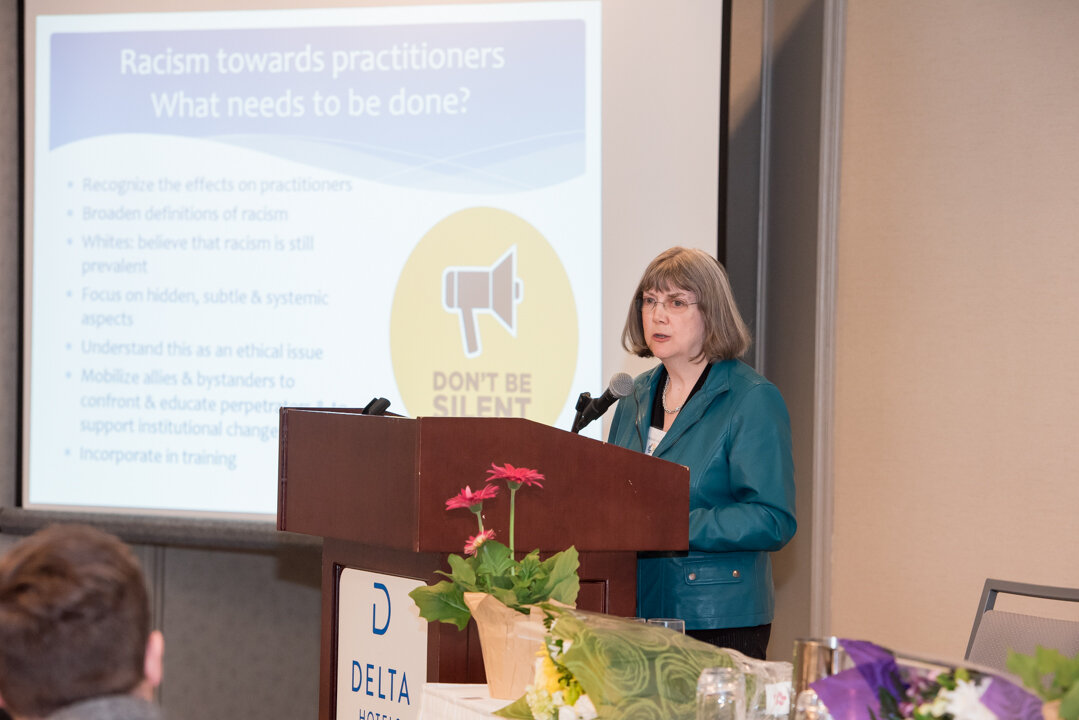
Racialized practitioners speak about racism
Based on two research projects, this keynote from Dr. Merlinda Weinberg explores the lived experience of racism for racialized practitioners at the individual, cultural, institutional and epistemic levels. Self-care for carers is an essential component of trauma-informed healing.
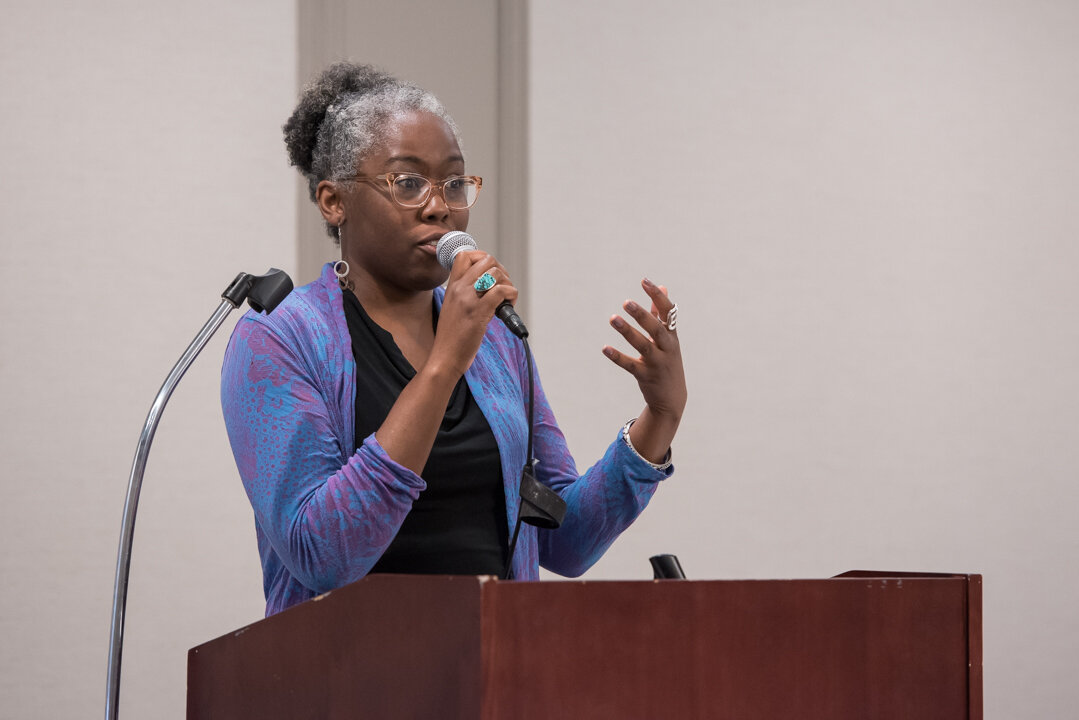
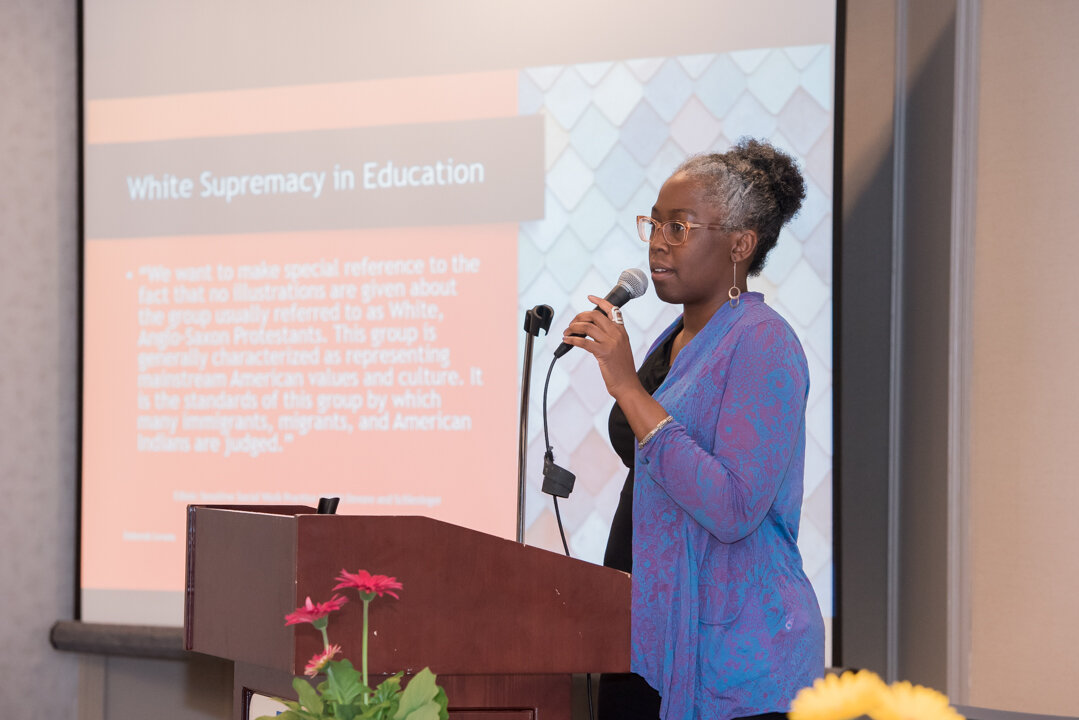
Addressing barriers to providing culturally responsive services
This keynote session from Deborah Levans addresses barriers to providing culturally responsive services. She will identify historical and present systemic and structural barriers in the social work professions that limit and/or prevent the provision of culturally-responsive trauma care.
All program sessions & events
Responding to violence and trauma through system, community and individual interventions
Art Fisher and Chris Hessian will look at how policy-driven governmental systems are held under-accountable, contradicting the aims of community-based prevention, and perpetuate individual over-accountability and ethical failure. Their keynote explores the impact of increased monitoring, stigma, and rigid policies on the psychosocial, ethical selves of underserved individuals in rural communities.
Trauma recovery utilizing a service dog
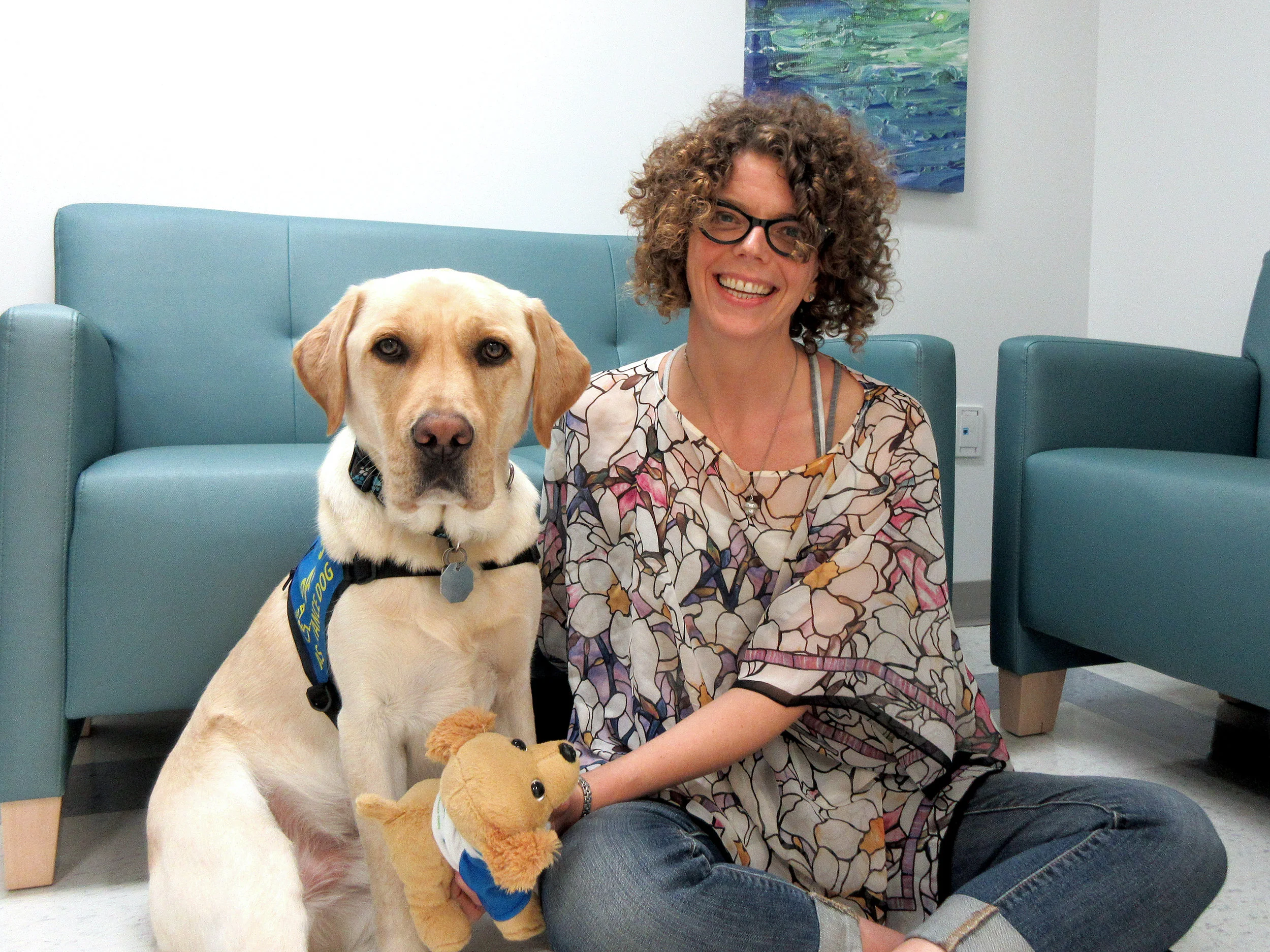
Jackie Thornhill offers a first voice perspective of living with PTSD while practicing social work, and the impact of utilizing a service dog in her recovery process.
Key findings and recommendations
Daniel Redmond will share information about current practices and policies that affect services for LGBT2IQ+ children and youth in Nova Scotia, and outline areas of concern and opportunities for change.
Join the conversation
Mental health is in trouble. Social work has been silent for too long. To change that, the social justice committee is shaping our voice and working on a plan for using it.
Please join us for the annual general meeting of the Nova Scotia College of Social Workers.
There is no charge to attend the AGM.
Working in private practice? Let’s connect!
We hope you can join your private practice committee for an informal gathering at the NSCSW conference.
Final results and future directions from the Lunenburg study
Dr. Nancy Ross and Kevin Dugas will provide a followup to their presentation at the 2018 conference. Last year they presented preliminary results from a pilot study being conducted at the Lunenburg Family Health Clinic exploring adverse childhood experiences, health outcomes, and resilience factors among clinic patients. The study is now complete.
Towards a sustainable trauma-informed practice
In this presentation, Fyre Jean Graveline will share an evolving LIFE (Lived Indigenous Feminist Ecological) model of practice and its applications to individuals, communities, and practitioners traumatized by oppressive systems. Fyre Jean will also inspire practitioners to engage in spirit-infused and expressive arts-based strategies for more compassionate care of self and others.
Child and youth advocacy centres’ role in supporting families to heal
Kathy Bourgeois and Christina Shaffer will discuss SeaStar Child and Youth Advocacy Centre as a model for trauma-informed practice, and present practical strategies that social workers can use to grow safety and capacity for their clients, themselves, and their profession as a whole.
Accredited facility dog Dorado will be present for this presentation, accompanied by his handler Kathy
Craig Besaw’s session is about photovoice, which can be used to assist clients in identifying and labelling/naming their trauma through an artistic lens. This session ties it to its use as a culturally appropriate tool in exploring trauma with Indigenous persons.
The learning and insights of looking through a 40-year personal lens
Ken Osbourne offers insights gleaned from 40 years of social work practice. A debriefing framework will be shared for social workers to use as a tool in their practice, as well as within their team.
A feminist narrative approach to trauma work
Catrina Brown illustrates a narrative approach shaped by a feminist lens and feminist practice principles centered on collaboration. Emphasis will be on clients’ safety, power, and control in a strong therapeutic alliance.

A legacy of harms and resilience then and now for African Canadians
This three person panel will share knowledge and examine issues of trauma-informed social work practice and resilience across the life span for African Nova Scotians and the African Black and Caribbean community.

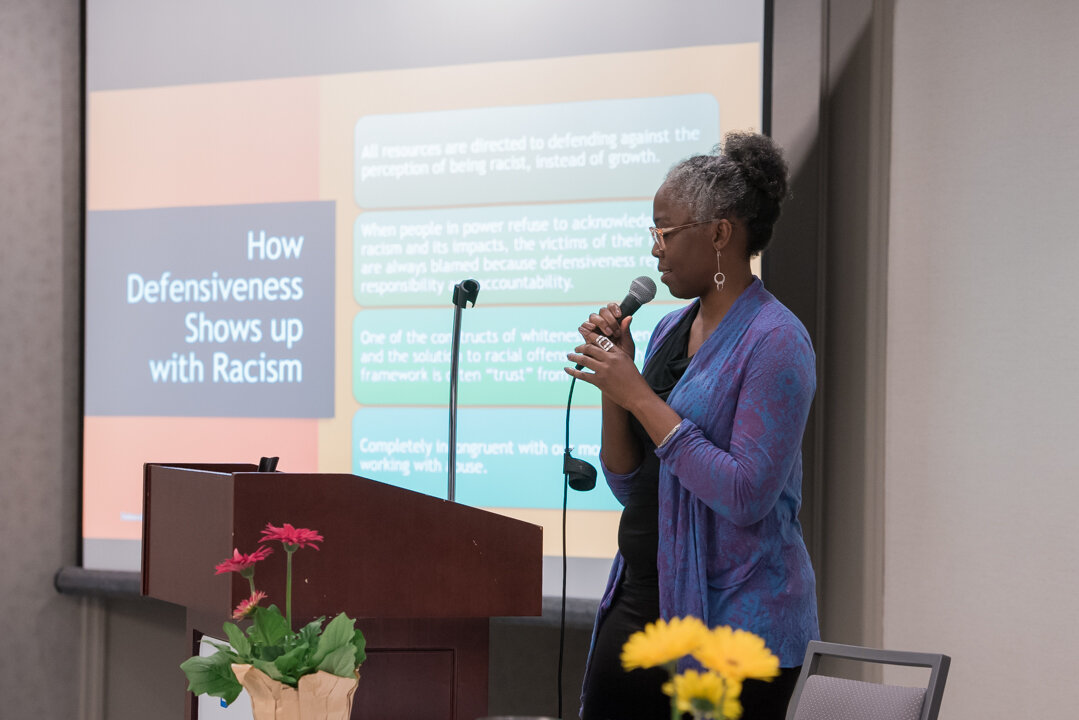
Racialized practitioners speak about racism
Based on two research projects, this keynote from Dr. Merlinda Weinberg explores the lived experience of racism for racialized practitioners at the individual, cultural, institutional and epistemic levels. Self-care for carers is an essential component of trauma-informed healing.
Addressing barriers to providing culturally responsive services
This keynote session from Deborah Levans addresses barriers to providing culturally responsive services. She will identify historical and present systemic and structural barriers in the social work professions that limit and/or prevent the provision of culturally-responsive trauma care.